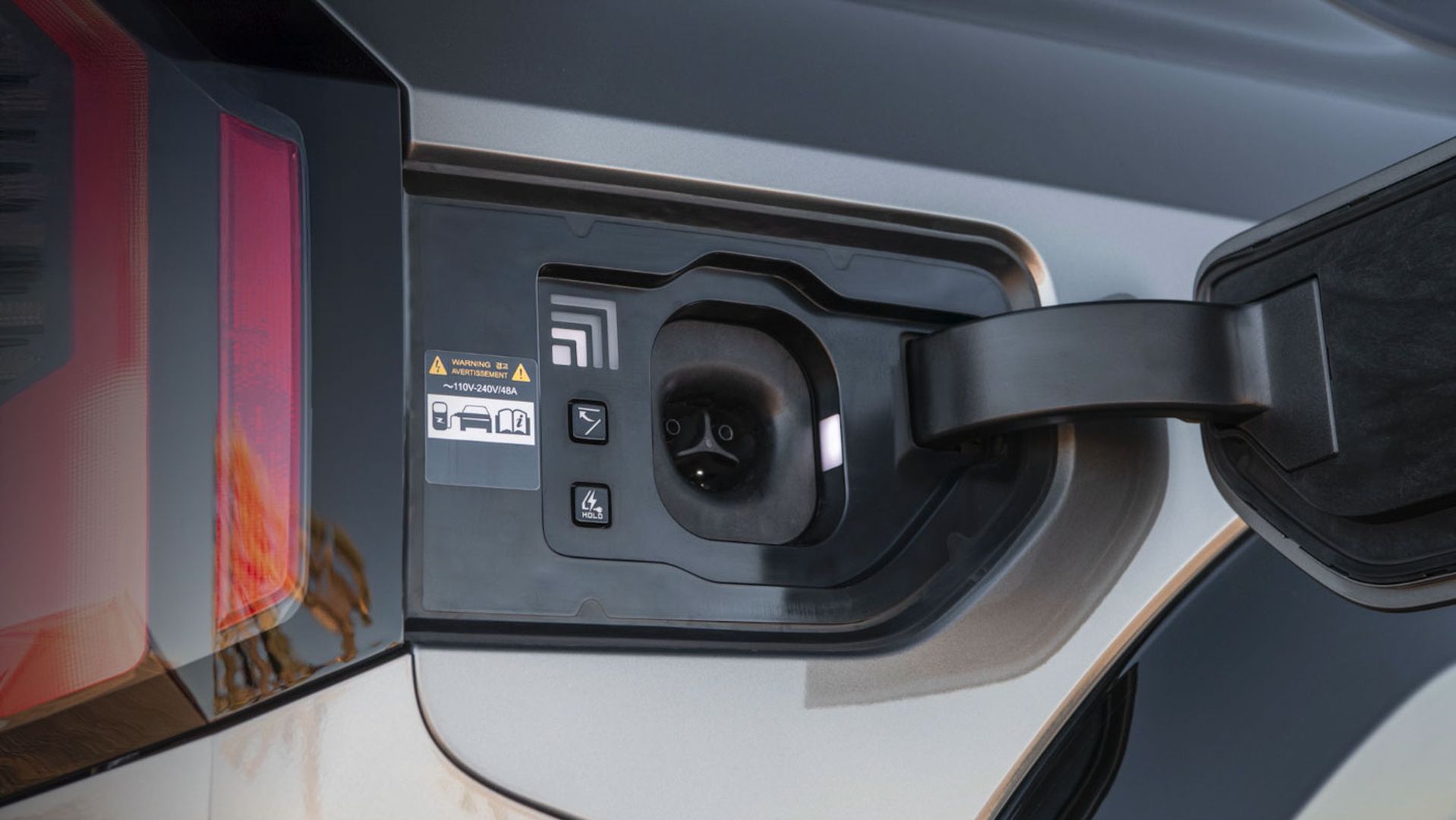
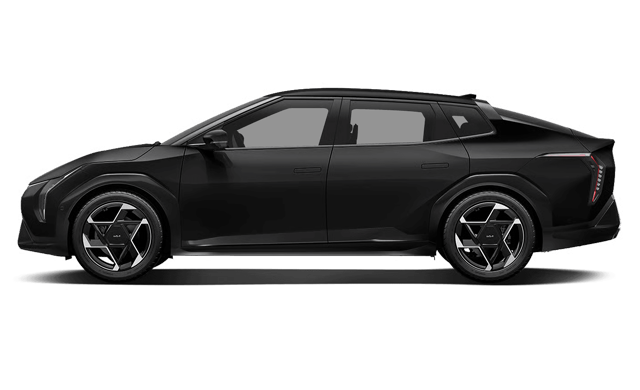
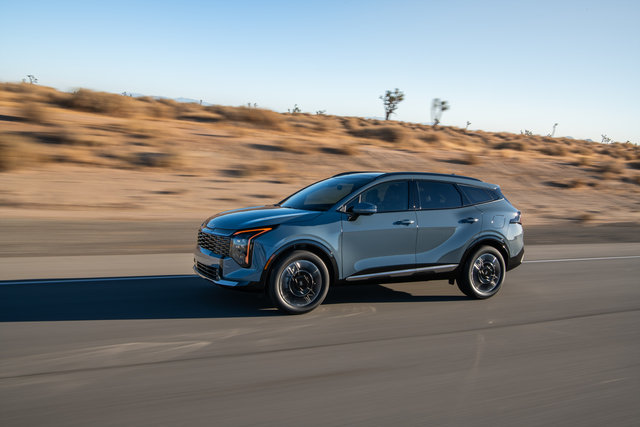
Older homes come with character, and often with an electrical panel that has little room to spare. For a shopper eyeing a Kia EV, that raises a fair worry: will home charging mean a costly service upgrade before the first plug-in?
Variablegrid’s adaptive energy management gives Ontario shoppers a different starting point. This guide explains what the system does, how it works, and who gains the most from it.
What Variablegrid Energy Management Is
Think of it as a traffic controller for your home’s electricity. The Variablegrid Energy Management System (EMS) is a controller that watches household power use and directs the EV charger accordingly.
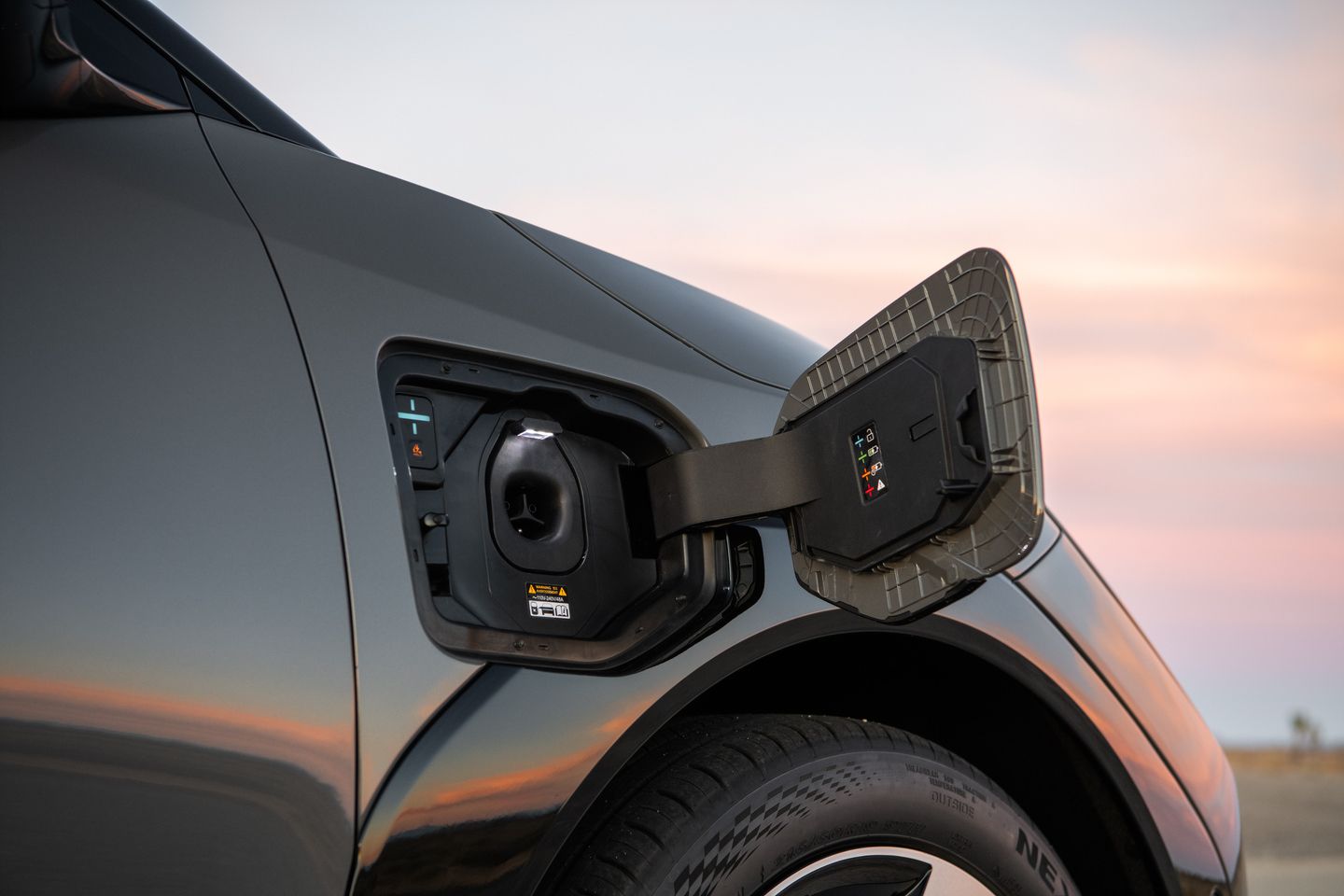
Kia’s home charging bundle pairs that controller with the RS48 Level 2 charger. The system uses patented adaptive load management technology powered by artificial intelligence. It was built for older homes that may not have enough electrical power to spare for fast Level 2 charging.
The bundle is offered in both NACS and J1772 connector configurations, so the charger matches the port on your vehicle.
How Adaptive Charging Works
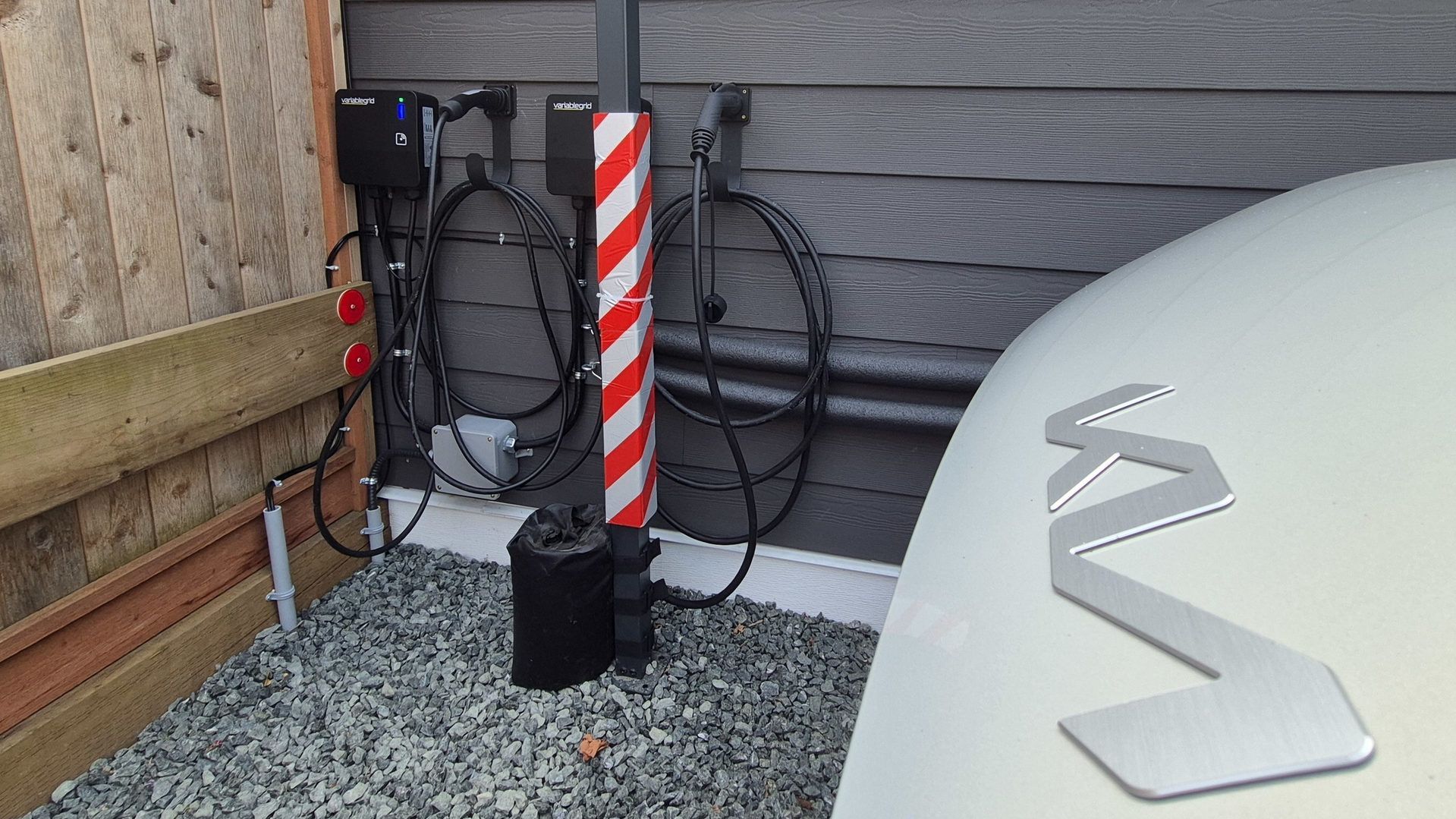
A basic charger delivers one fixed level of power and assumes your home can supply it. The EMS works differently. It monitors your home’s energy use at all times and sends the charger whatever electricity is available at that moment.
When the dryer or oven switches on, the system scales charging back. When household demand drops, charging ramps up again. It makes these adjustments in 1-amp increments, so the charger never sits far below what the house can spare.
The result is an EV that charges as fast as your existing capacity allows, without overloading the home.
The Charger Itself
- Output: RS48 Level 2 charger rated at 48 A, with a 25 ft cable
- Connector: J1772 or NACS
- Housing: weather resistant enclosure suitable for indoor or outdoor installation
- Connectivity: hardwired ethernet for remote monitoring and control
The smart features are practical. You can set charging schedules to take advantage of off-peak rates, view real-time energy consumption statistics, and control the charger remotely.
Why It Matters in Ownership
Home charging is the biggest practical question for many first-time EV buyers. Over half of homes in Canada can’t support Level 2 charging without expensive upgrades. Older homes, with smaller panels, are the most likely to hit that wall.
The EMS works with the electrical capacity your home already has. That can reduce the need for an electrical service upgrade, which is often the step that delays a charger installation by weeks while approvals and work are arranged.
Installation stays straightforward. The controller adds just 10 to 15 minutes to a typical charger install. Normal permitting still applies, and the work uses your existing electrical capacity rather than new service to the house.
The charger installer also gets support. The charger ships with an installation manual, a quick guide, and a support hotline for on-site installers.
Buying It With Your Kia
The bundle is one purchase from one vendor, with a single point of contact for your charging needs. Components cost less together than bought separately, and the charging equipment can be added to your Kia financing.
That keeps the vehicle and the way you power it in one conversation, rather than a separate project to sort out after delivery.
Who Benefits Most
The adaptive approach suits a few buyers in particular:
- Owners of older homes. If your panel was sized for a time before EVs, adaptive power gives you a path to Level 2 charging that works with what you have.
- Buyers who want a faster install. Skipping the upgrade step removes the usual wait on utility approvals.
- Households with busy evenings. Cooking, laundry and charging overlap in many homes. The EMS manages that overlap automatically, so you do not have to juggle appliances.
- Shoppers who like data and control. Schedules, usage statistics and remote control suit anyone who wants to manage charging around off-peak rates.
A Level 2 charger at home beats relying on outside charging for daily top-ups. The EMS makes that option realistic for homes that previously looked like poor candidates.
Powering Up a Kia EV at Home
Variablegrid’s adaptive energy management lets a Kia EV charge on the electrical service an older home already has. It adjusts to household demand in 1-amp steps, and it comes packaged with the RS48 charger in the connector style your vehicle uses.
Visit Cobourg Kia in Cobourg to talk through home charging with your Kia EV, and book a test drive to see which model suits your driving.
To learn more about Variable Grid Plus, visit Kia.ca