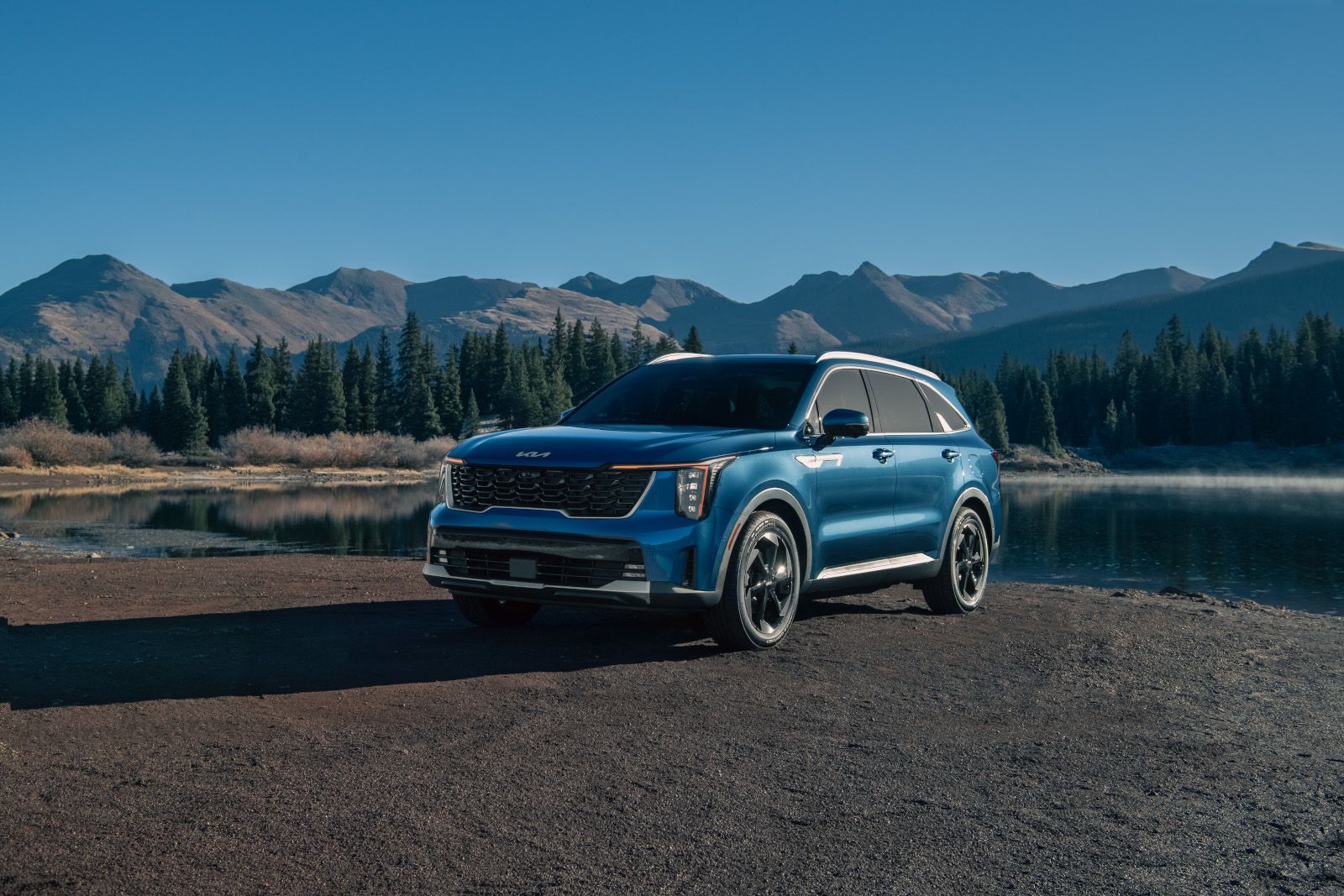
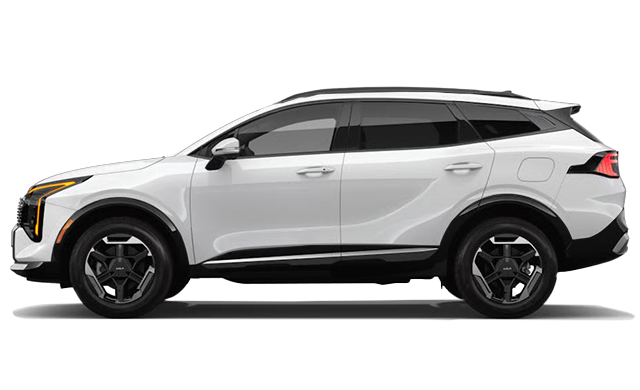
Ontario families shopping for a hybrid SUV face a practical question: does smart cargo organization matter more than maximum volume? The 2026 Kia Sportage HEV delivers 977-1,119 litres through an intelligent dual-level floor system, while the Sorento HEV counters with 2,139 litres of total space across three rows. Both share Kia's 1.6L turbo hybrid powertrain and 2,000 lb of towing capacity. The difference lies in how you use that space.
This comparison helps families identify which cargo approach fits their actual loading patterns - not just their theoretical hauling needs.
|
Feature
|
Sportage HEV
|
Sorento HEV
|
|
Cargo Volume
|
977 / 1,119 L
|
2,139 L
|
|
Seating
|
5-passenger
|
6-passenger
|
|
Power
|
232 hp
|
227 hp
|
|
Torque
|
271 lb-ft
|
258 lb-ft
|
|
Fuel Economy (Combined)
|
6.7 L/100km
|
7.0 L/100km
|
|
Towing Capacity
|
2,000 lb (907 kg)
|
Up to 2,000 lb (907 kg)
|
How the Dual-Level Floor Changes Daily Loading
The Sportage HEV's dual-level cargo floor transforms how families pack groceries, sports equipment, and weekend gear. Lower the floor for taller items like hockey bags or strollers. Raise it to create a flat loading surface that keeps smaller items from rolling around during turns.
The Sorento HEV uses traditional cargo space behind the third row, expanding to 2,139 litres total when both rear rows fold. For families who regularly transport six passengers and need occasional maximum volume for furniture runs or cottage trips, that total capacity creates flexibility the Sportage cannot match.
The Sportage's 2,087-litre maximum (rear seats folded) handles everything from camping gear to bicycle transport for a family of four. The dual-level system means you organize vertically, not just horizontally - keeping muddy boots separated from clean groceries without cargo nets or aftermarket organizers.
Where 232 hp Matters More Than Raw Volume
Both hybrids share the same 1.6L turbocharged four-cylinder paired with a permanent magnet synchronous motor and six-speed automatic transmission. The Sportage HEV generates 232 hp and 271 lb-ft, edging the Sorento HEV's 227 hp and 258 lb-ft. That 13 lb-ft torque advantage accelerates the lighter Sportage more responsively when merging onto Highway 401 with a full cargo load.
For families who prioritize passenger count over acceleration, the Sorento HEV's six-passenger configuration with second-row captain's chairs delivers more flexibility. The power difference becomes less noticeable when the third row stays occupied - the Sorento's job is moving people, not outpacing traffic.
The Sportage HEV's power-to-weight ratio favours daily driving dynamics. Families who rarely use more than five seats gain quicker throttle response without sacrificing hybrid efficiency.
The 6.7 L/100km vs 7.0 L/100km Reality
The Sportage HEV achieves 6.7 L/100km combined, compared to the Sorento HEV's 7.0 L/100km. Over 20,000 kilometres annually, that 0.3 L/100km gap saves roughly 60 litres of fuel - meaningful for families tracking monthly expenses but not a dealbreaker.
6 L/100km highway rating edges the Sorento HEV's 6.7 L/100km. Both hybrids perform strongest in city driving, where regenerative braking recovers energy during school drop-offs and grocery runs.
The Sorento HEV's slightly higher consumption reflects its larger platform and three-row capability. If you need those extra seats weekly, the fuel difference becomes the cost of that versatility - not a penalty.
Technology That Fits Different Family Routines
The Sportage HEV includes Remote Smart Parking Assist (RSPA), which maneuvers the vehicle into tight parking spots using the key fob. For families navigating crowded shopping centre lots in Mississauga or downtown Toronto, this feature reduces door-ding anxiety when kids need to exit safely.
The Sorento HEV counters with HomeLink integration, programmable for up to three garage doors or gates - practical for families managing multiple properties or helping elderly parents. Its Bose premium audio system (available on SX trim) delivers clearer sound for rear passengers on longer trips than the Sportage's Harman Kardon setup.
Both hybrids offer the 12.3-inch multimedia interface, Kia Connect with over-the-air updates, wireless phone charging, and Apple CarPlay/Android Auto. The Sportage HEV EX and EX Premium trims include Highway Drive Assist 1 for lane centering on Highway 7 or 417, while both the Sportage HEV SX and Sorento HEV SX upgrade to Highway Drive Assist 2 with more refined steering inputs.
For families who prioritize parking convenience and urban maneuverability, the Sportage HEV's RSPA feature delivers daily value. For families who spend more time on highway road trips with multiple passengers, upgrading to an SX trim on either model provides HDA 2 to reduce driver fatigue.
Safety Systems for Different Passenger Loads
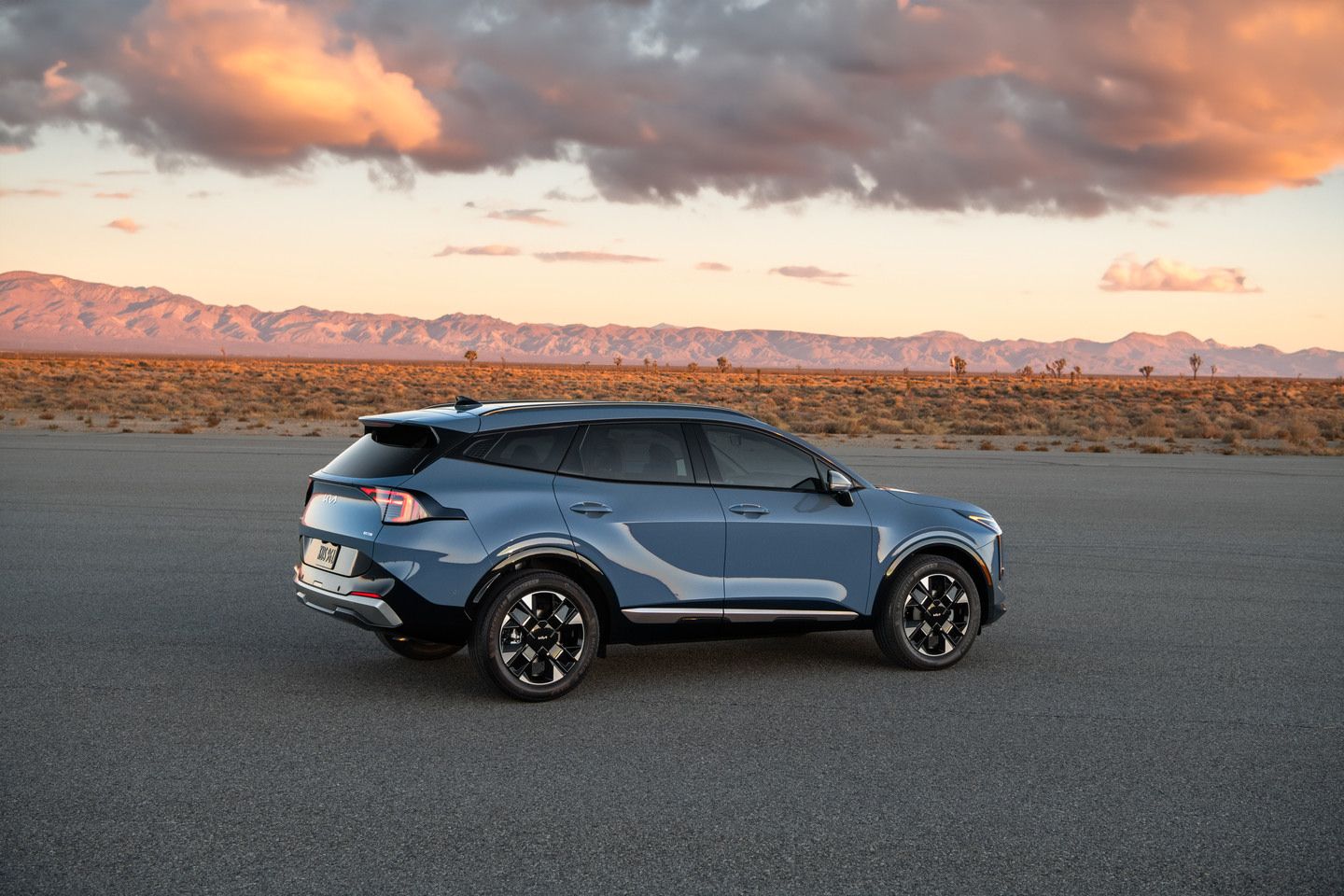
The Sportage HEV deploys eight airbags and includes:
- Forward Collision Avoidance (FCA 1.5)
- Lane Following Assist 2
- Surround View Monitor
- Blind View Monitor
The Surround View Monitor helps families navigate tight parking garages at Yorkdale or CF Sherway Gardens, showing all four corners of the vehicle on the 12.3-inch screen.
The Sorento HEV adds a ninth airbag and upgrades to Forward Collision Avoidance 2 (FCA 2), which detects oncoming traffic when turning left across intersections. Its Rear Occupant Alert system prevents families from accidentally leaving children or pets in the back seat - critical for three-row vehicles where third-row visibility is limited.
Both hybrids include Blind Spot Collision Avoidance and lane-keeping technologies. The Sportage HEV's eight-airbag system protects five passengers, while the Sorento HEV's nine-airbag layout covers six occupants across three rows.
For families with two or three children who fit comfortably in five seats, the Sportage HEV's safety suite provides complete protection. For families who regularly transport grandparents, carpool groups, or need that third row for growing teenagers, the Sorento HEV's additional airbag and rear occupant monitoring justify the larger platform.
Towing Capacity That Levels the Field
Both hybrids tow up to 2,000 lb (907 kg) when properly equipped - enough for a small utility trailer, jet skis, or a lightweight camping trailer. The identical rating means families choosing between these Kias won't sacrifice weekend hauling capability regardless of which cargo strategy they prefer.
For families towing to Algonquin Park or Georgian Bay, the Sportage HEV's lighter curb weight makes the trailer less noticeable during acceleration. For families who tow infrequently but need the option, the Sorento HEV's larger cargo area accommodates more gear inside the vehicle, reducing what needs to go in the trailer.
The 2,000 lb rating handles typical family recreation without requiring a full-size SUV or truck. Neither hybrid positions itself as a heavy-duty towing platform - that's not the point of a fuel-efficient family hauler.
Which Kia Hybrid Is Right for You?
If your family of four rarely uses more than five seats and you value urban parking ease, efficient fuel consumption, and intelligent cargo organization, the Sportage HEV's dual-level floor system delivers daily practicality. The 977-1,119 litres handles weekend camping trips, hockey tournaments, and Costco runs without the bulk of a three-row platform.
If your family regularly transports six passengers, frequently needs maximum cargo capacity for furniture or cottage gear, and values the flexibility of fold-flat seating across three rows, the Sorento HEV's 2,139 litres creates options the Sportage cannot match. The third row transforms it from a compact hauler into a full family transporter.
For families who split the difference - five seats most weeks but occasional need for a sixth passenger - the Sportage HEV's cargo efficiency and lower fuel consumption make it the stronger daily driver. For families who know they need three rows and maximum volume regularly, the Sorento HEV justifies its size.
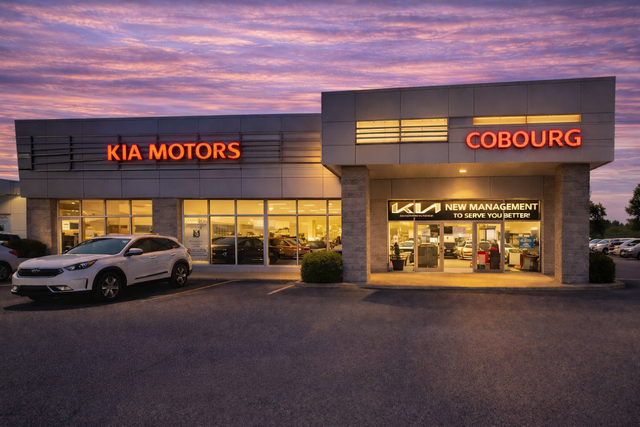
The decision comes down to how you actually load your vehicle, not how much space the spec sheet promises. Visit Cobourg Kia in Cobourg to compare both cargo systems with your real gear - strollers, hockey bags, groceries, or camping equipment. The right hybrid is the one that matches your loading patterns, not the one with the biggest number.
To learn more about the 2026 Kia Sorento HEV, visit Kia.ca